


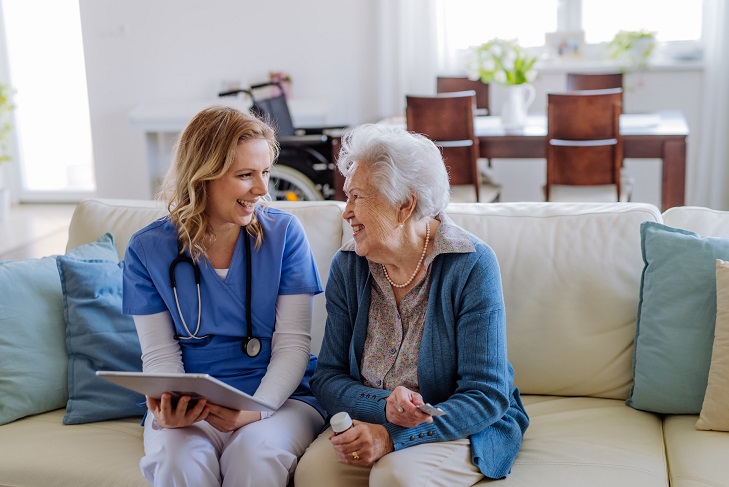
When you’re new to caregiving, some of the first skills you need are knowing how to help with everyday care, communicate clearly, and support someone without taking away their independence. Personal Care Aide (PCA) training gives you a structured way to learn these responsibilities and practice the skills involved before you use them while caring for another person.
Good personal care also depends on how you approach the person you’re helping. Paying attention to comfort, routines, and preferences can make everyday care feel more respectful and less rushed.
Learning these skills in a classroom setting gives you time to practice, ask questions, and understand why each step matters before you use it in a care situation.
We focus on helping you understand personal-care responsibilities, practice essential skills, and build habits that support respectful care.
Learn How to Help With Everyday Personal Care
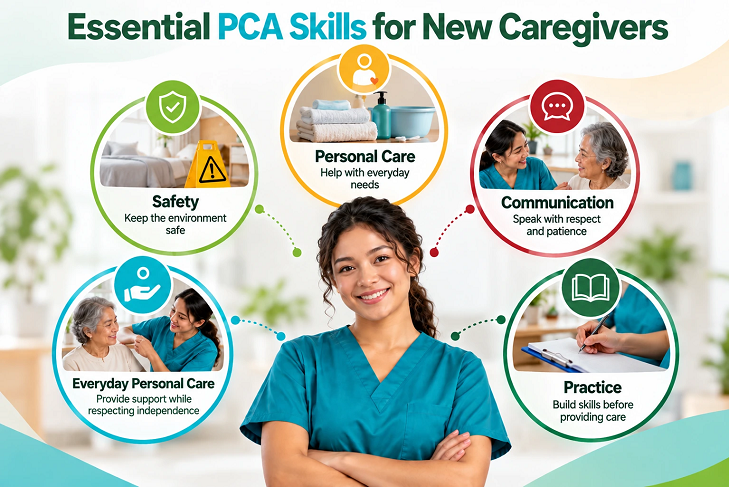
Personal care often involves helping someone with daily needs while respecting what they can still do on their own. Part of your role is learning when to assist and when to give the person time to complete part of a task independently.
That can mean paying attention to how someone prefers to follow their usual routine. A person may need help with a task without wanting every step done for them. Listening and observing can help you understand what kind of support is appropriate.
You’ll also learn that comfort and dignity matter during routine care. Small actions, such as explaining what you’re about to do or giving someone enough time to respond, can affect how the person experiences your help.
Pay Attention to Safety While You Help
Safe personal care starts with preparing the area, following the steps you were taught, and slowing down enough to notice what is happening around you.
Before helping with a task, you may need to make sure the space is ready and that anything you need is within reach. During care, following the correct sequence helps you avoid skipping steps simply because you are trying to finish quickly.
If something is unclear, asking for guidance is better than guessing. That is especially true while you are still learning a new skill or becoming familiar with a person’s care routine.
In our Personal Care Aide training program, you practice essential caregiving skills and demonstrate what you have learned through competency examinations. The program includes 42 clock hours and 12 required modules.
Communicate With Respect and Patience
Clear communication can make personal care easier for both you and the person you are helping. Before starting a task, explain what you are going to do in simple language and give the person a chance to respond.
Listening matters just as much. Someone may have a preferred way of doing something, need more time, or want to complete part of the task without help. Those preferences should not be treated as interruptions to the routine. They are part of the routine.
Patience also matters when a task takes longer than expected. Caregiving does not always move at the pace you planned. Staying calm and giving the person time can help you avoid making the interaction feel rushed.
Respect also shows in the way you speak. A person receiving help should still be included in conversations about their own care whenever appropriate.
Follow Instructions and Know When to Ask for Help
As a new caregiver, you will not have an answer for every situation. Learning how to follow instructions carefully and when to ask questions is part of developing good caregiving habits.
Care instructions may explain how a task should be completed or what routine should be followed. Your job is to use what you have been taught rather than make assumptions when something is unclear.
You also need to pay attention while providing care. If you notice something that concerns you or a situation falls outside what you have learned, follow the reporting process you were taught and ask the appropriate person for guidance.
This habit matters because responsible caregiving includes knowing when you need help. Being willing to ask a question can prevent confusion and keep you from making decisions outside your training.
Practice Skills Before Using Them in Care
Reading about a caregiving skill can help you understand the steps, but practice shows you what those steps feel like when you actually perform them.
During PCA training, competency examinations give you a chance to demonstrate essential skills. This helps connect classroom instruction with the physical actions involved in personal care.
Practice also helps you notice details that are easy to miss on paper. You may learn how to prepare for a task, complete the steps in the correct order, and make adjustments while still following what you were taught.
The goal is to understand the responsibility behind the skill, not simply remember a sequence long enough to complete an examination.
At Interact Caribbean Homecare Training Center LLC, we want you to understand why personal-care skills matter in everyday caregiving. Our PCA training gives you opportunities to practice essential skills and demonstrate what you have learned while developing a more thoughtful approach to supporting another person.
If you have questions about PCA training requirements, schedules, or enrollment, you can contact us to learn what to expect before you enroll.


Leave a Reply